Social Emotional Learning in Preschool: Teaching Children to Understand Their Feelings
PbyDTL@2026
Posted on
Sep 21, 2026

Picture a three-year-old whose biscuit has just broken in half. The wail that follows is not bad behaviour. It is a child running into a feeling she has no words for yet. A good preschool treats that moment as a lesson waiting to happen.
That is the idea behind social emotional learning in preschool, usually shortened to SEL. It teaches children to recognise what they feel, manage it and get along with others. It sits alongside letters and numbers instead of replacing them.
What SEL means for a four-year-old
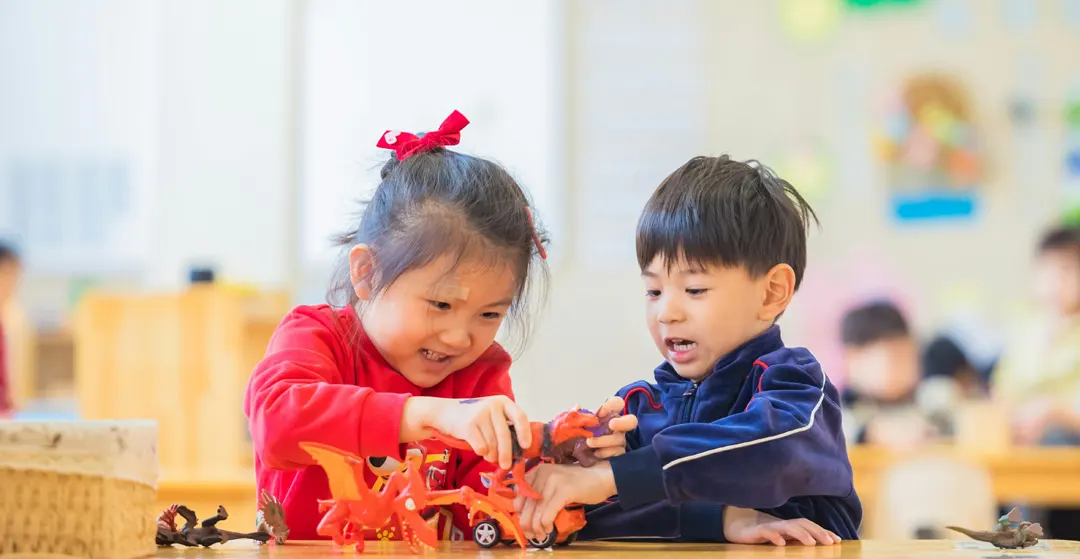
The most widely used framework comes from CASEL, which describes five areas: self-awareness, self-management, social awareness, relationship skills and responsible decision-making. Our curriculum builds activities around this framework so that children become aware of themselves, learn to regulate their emotions and make responsible choices. For a four-year-old, those big phrases become small, concrete things. Saying "I am angry" instead of hitting. Waiting for a turn. Noticing that a friend is sad and offering a hug.
What it looks like during a school day
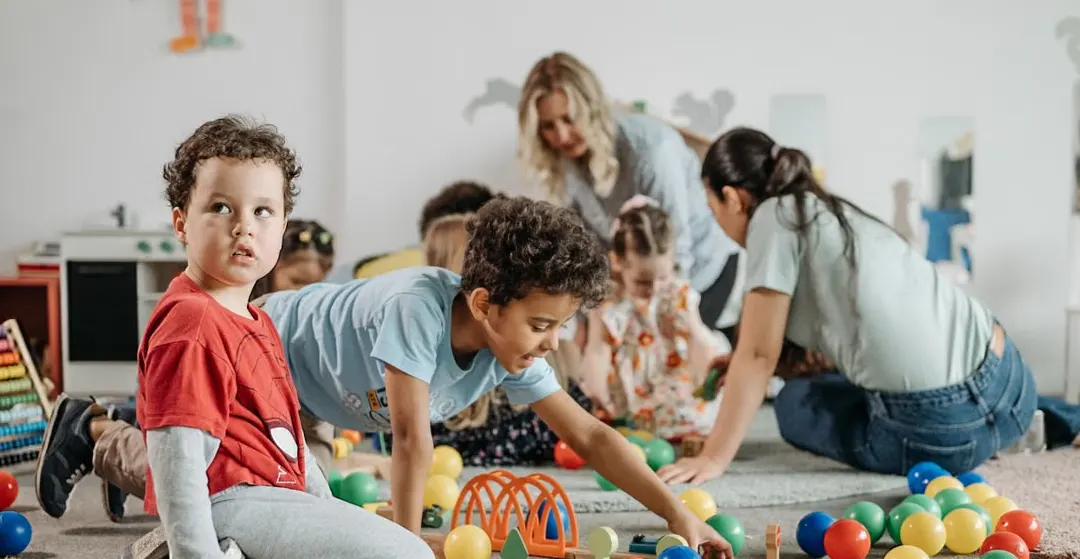
SEL works best when it is woven into ordinary routines, not squeezed into a special lesson once a week.
Check-ins. In our lesson plans, sessions begin with a reflection check-in and a simple way of mapping feelings, such as pointing to a face that matches how you feel this morning. Children get the vocabulary before they need it.
Stories with pauses. When a character in a book loses a toy, the teacher stops and asks how that feels, and what the character might do next.
Music and movement. These help children release energy, settle their emotions and enjoy being part of a group.
A moment to pause. Mindfulness at this age is small: three slow breaths, a quiet minute, listening until a bell fades. Children begin to see that they can stop before they react.
Why the teacher matters most
Children copy the adults around them. A teacher who stays calm when two children fight over a toy truck teaches more about self-control than any poster can. That is why teacher training matters so much. At Dreamtime, teachers are known as cheerleaders, and they are trained to guide curiosity, resilience and self-awareness as well as deliver content. They also learn self-mastery tools, because adults who understand their own reactions are better at helping children with theirs.
The question behind it all
In 1993, Lina Ashar asked why learning should feel like stress when it could feel like wonder. That question led to Kangaroo Kids and, three decades of research later, to Dreamtime Learning. You can read the full story on our founder page. Emotional development is not an extra in our curriculum. It is part of the reason the curriculum exists.
Five things parents can try at home
1. Name feelings out loud, including your own. "I feel frustrated because we are running late" is a good start.
2. Read a story and pause once to ask how a character feels.
3. Build a short calm-down routine, such as three breaths or a favourite corner, and practise it when everyone is calm.
4. Repair after a bad moment. If you raise your voice, say sorry and explain. Children learn a lot from watching adults mend things.
5. At bedtime, ask for one best part and one hard part of the day.
Three habits that get in the way
Adults usually mean well and still trip over the same things. Saying "stop crying" tells a child the feeling is wrong, when the feeling is not the problem. Forcing an instant "sorry" teaches the word without the understanding, so it is better to wait until everyone is calm and talk about what happened. And praising only results, such as a neat drawing, can leave children afraid of getting things wrong. Praise the effort and the kindness too.
How to know it is working
Emotional growth is gradual and it wobbles. A child may handle a hard moment beautifully on Monday and fall apart on Tuesday, and that is normal. What you look for is direction over months. In our classrooms, teachers document things like curiosity, adaptability and collaboration in real time, and progress is described on mastery scales instead of marks. Our page on how the Dreamtime approach works explains the outcomes we track. If you have concerns about your child's emotional development, speak to a paediatrician or child psychologist as well as the school.
Frequently Asked Questions
At what age should SEL begin?
From the earliest years. Even in Playschool, at ages two to three, children can begin to name basic feelings and practise taking turns.
Does SEL take time away from academics?
It is built into academic activities, not added on top. Stories, group work and hands-on tasks can build literacy, numeracy and emotional skills at once.
How can I check whether a preschool does SEL properly?
Ask to see how a typical lesson begins, how teachers respond when children disagree, and how emotional progress is reported to parents.
In short
Children who can name their feelings usually find friendships, school and challenges easier to face. If you would like to know who designs our curriculum, meet the team. Then visit a classroom and watch how the adults respond when a child is upset. It tells you almost everything. And remember the goal is not a child who never gets upset. It is a child who slowly learns what to do next.