
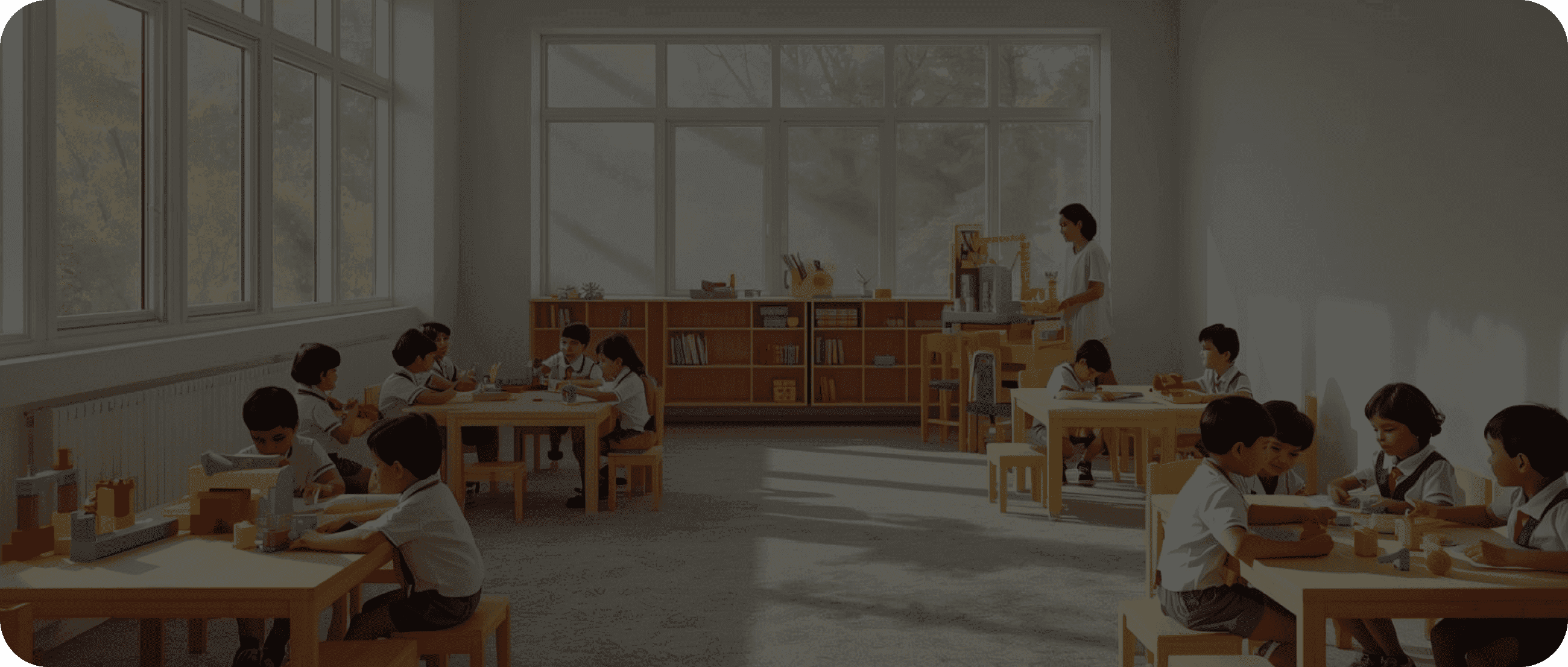
Explore what sets Dreamtime Learning apart in early childhood education.
Dreamtime Learning believes that play is the foundation of a child’s development. Our curriculum engages multiple senses, builds social awareness, and strengthens critical thinking skills to nurture a lifelong love for learning.
Explore what sets Dreamtime Learning apart in early childhood education.
Dreamtime Learning believes that play is the foundation of a child’s development. Our curriculum engages multiple senses, builds social awareness, and strengthens critical thinking skills to nurture a lifelong love for learning.
Explore what sets Dreamtime Learning apart in early childhood education.
Dreamtime Learning believes that play is the foundation of a child’s development. Our curriculum engages multiple senses, builds social awareness, and strengthens critical thinking skills to nurture a lifelong love for learning.
Dreamtime Learning is shaping young minds by making education an exciting, meaningful, and engaging experience. Because when children love learning, they thrive!
Dreamtime Learning is shaping young minds by making education an exciting, meaningful, and engaging experience. Because when children love learning, they thrive!
Day in the life of a Dreamtimer
Day in the life of a Dreamtimer
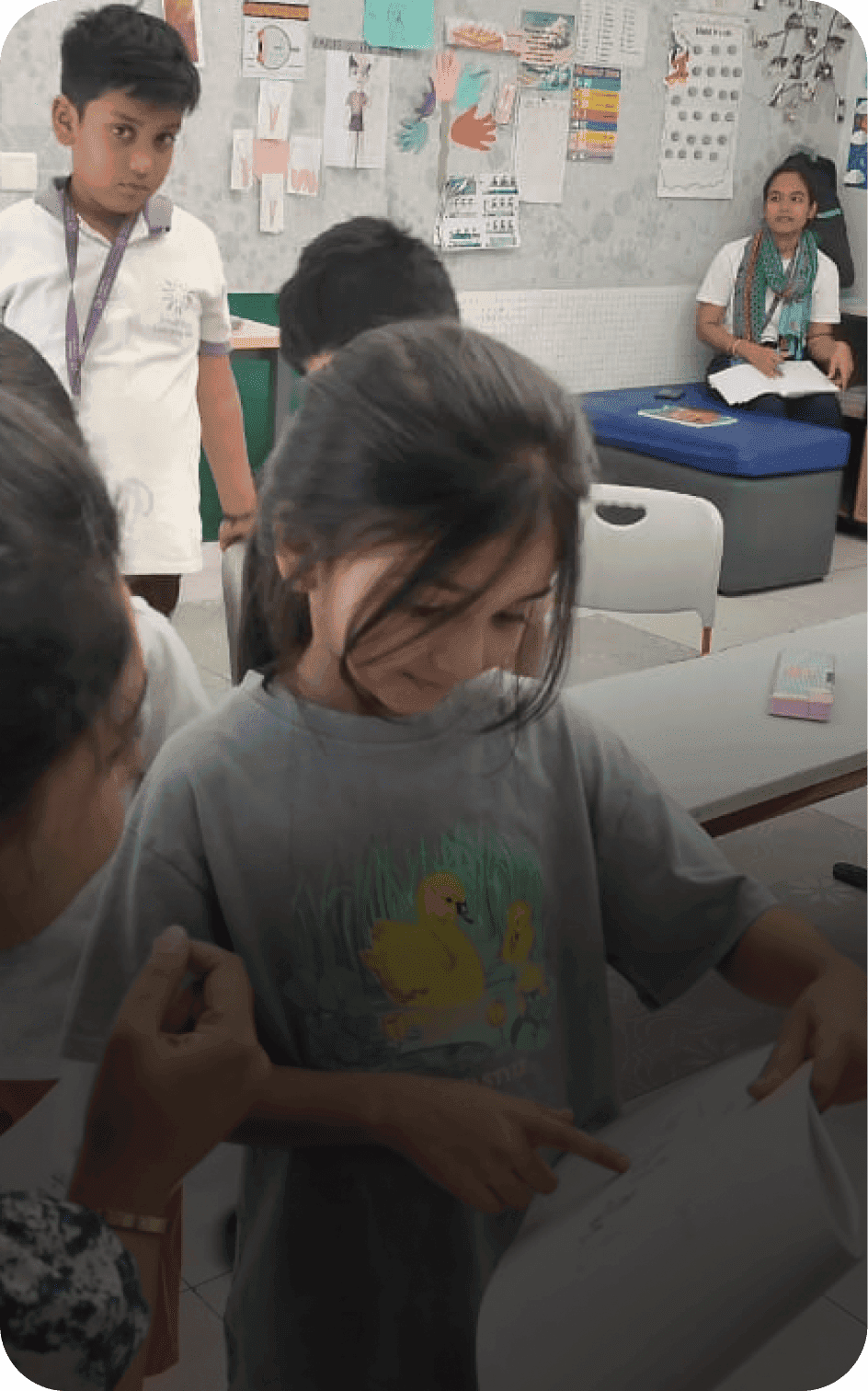
Crossing the midline activities strengthen brain hemispheric integration, essential for tasks like reading and writing.
Crossing the midline activities strengthen brain hemispheric integration, essential for tasks like reading and writing.
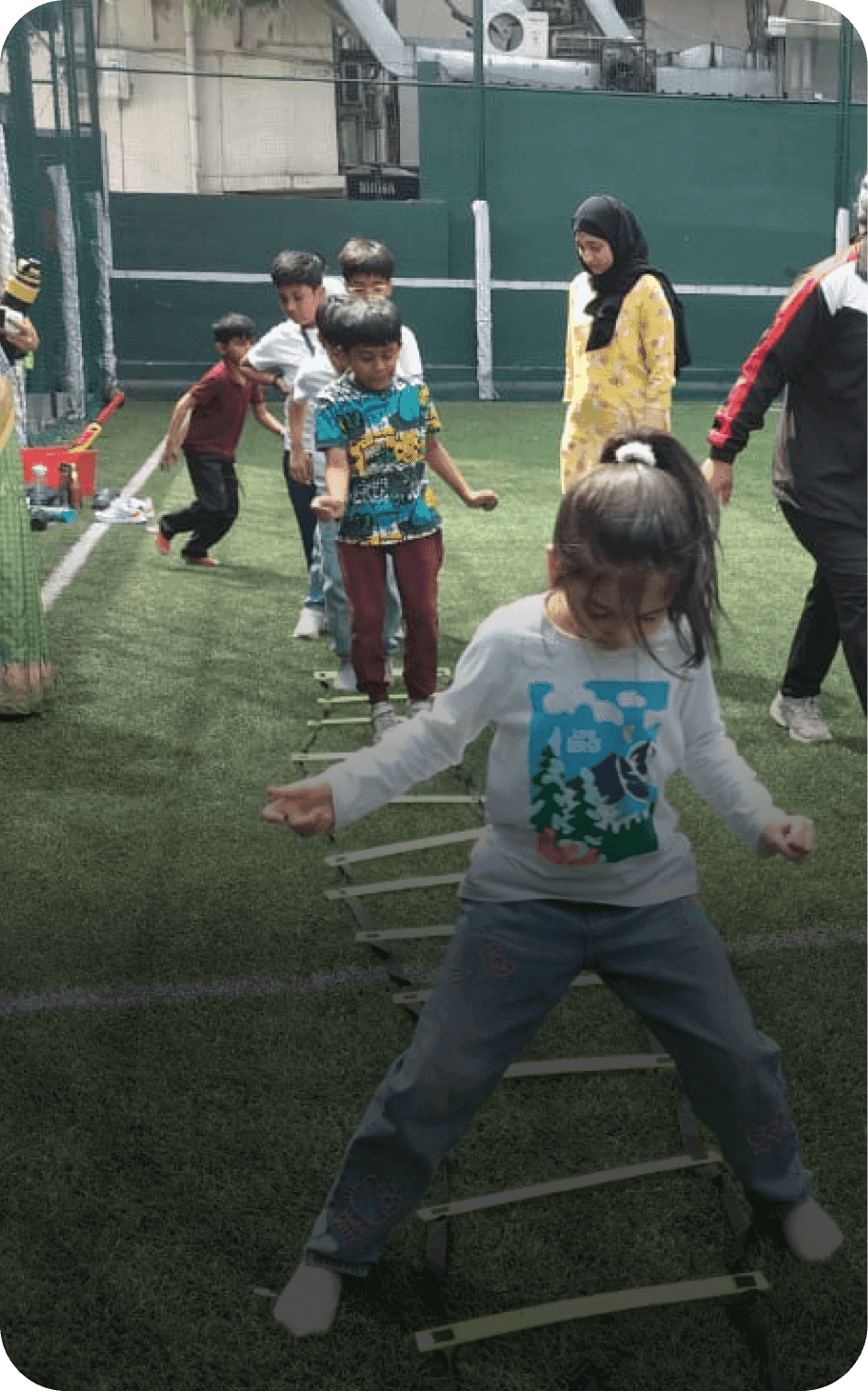
Perceptual motor exercises improve spatial awareness and help children make sense of their bodies in a space.
Perceptual motor exercises improve spatial awareness and help children make sense of their bodies in a space.
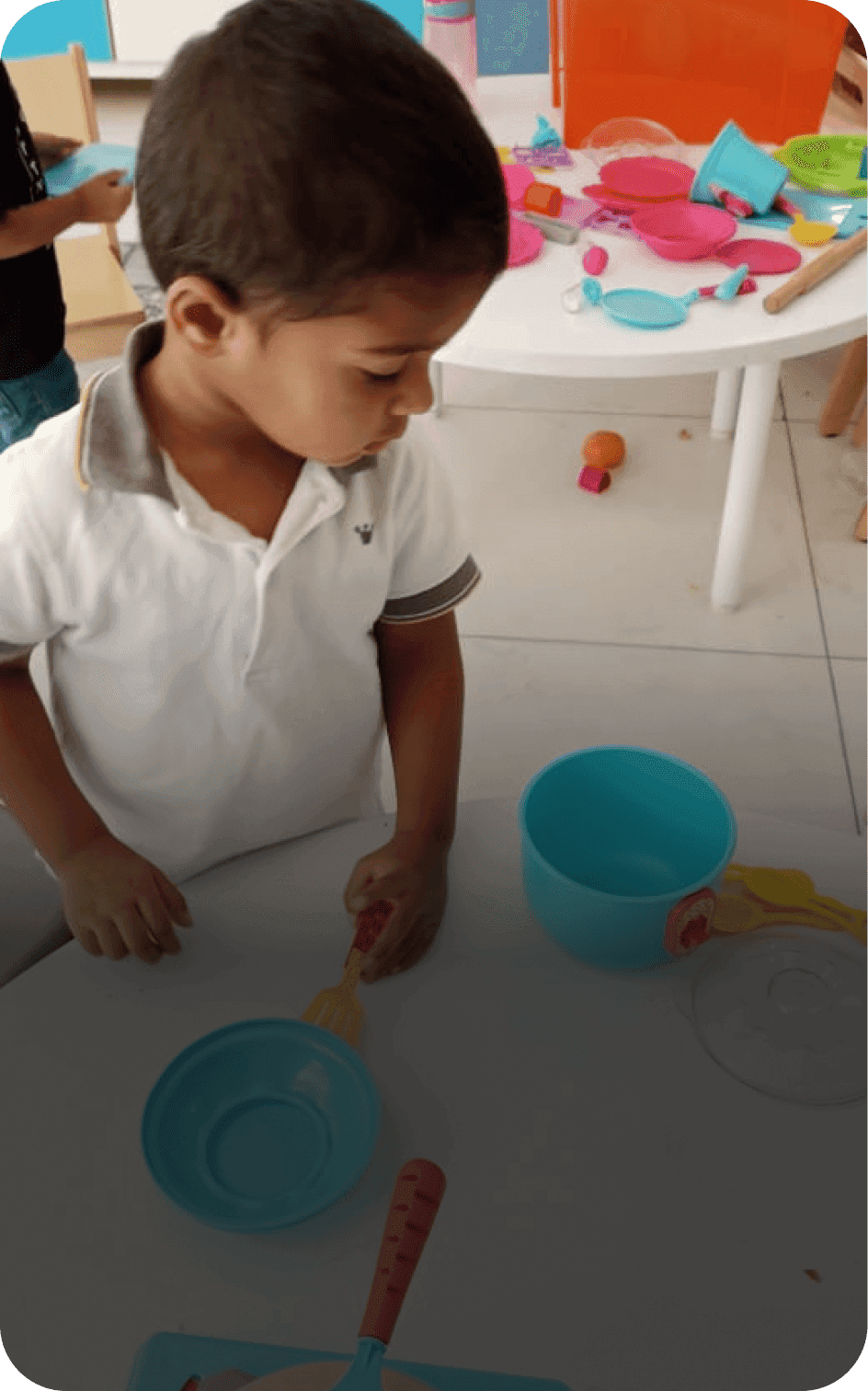
Coordinated movement routines refine gross and fine motor skills, improve balance, and support cognitive flexibility.
Coordinated movement routines refine gross and fine motor skills, improve balance, and support cognitive flexibility.
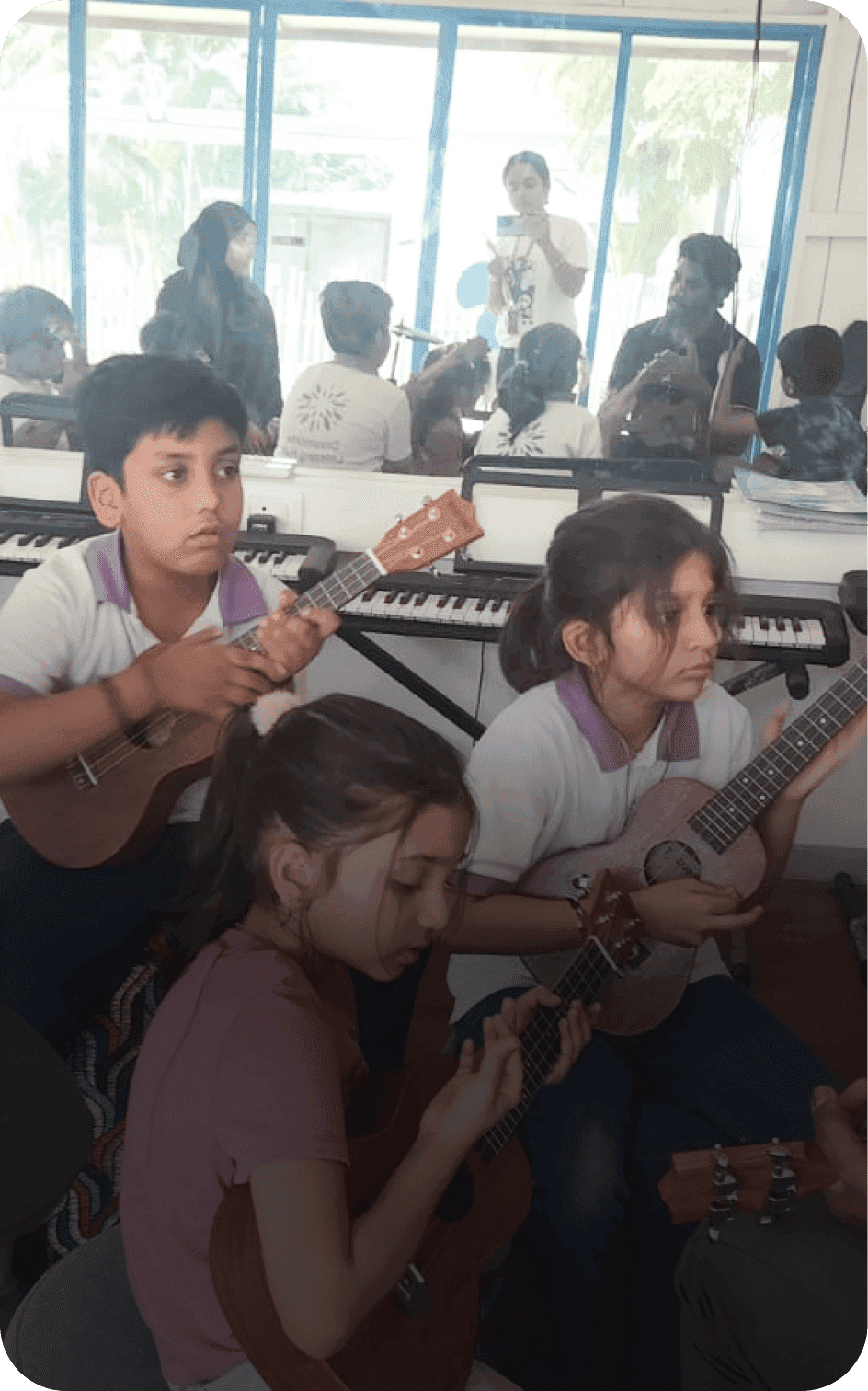
Movement and music also regulate emotions, build social connections, and offer an outlet for self-expression.
Movement and music also regulate emotions, build social connections, and offer an outlet for self-expression.
The Dreamtime Difference
The Dreamtime Difference

A Globally Aligned Curriculum
Dreamtime Learning’s curriculum meets the highest educational standards, including NCF, IB, IGCSE, CBSE, EYFS, and ICSE, while incorporating best practices from Finland, Australia, India, New Zealand, and England. It also ensures a smooth transition from preschool to Grade 1.z
A Globally Aligned Curriculum
Dreamtime Learning’s curriculum meets the highest educational standards, including NCF, IB, IGCSE, CBSE, EYFS, and ICSE, while incorporating best practices from Finland, Australia, India, New Zealand, and England. It also ensures a smooth transition from preschool to Grade 1.
A Globally Aligned Curriculum
Dreamtime Learning’s curriculum meets the highest educational standards, including NCF, IB, IGCSE, CBSE, EYFS, and ICSE, while incorporating best practices from Finland, Australia, India, New Zealand, and England. It also ensures a smooth transition from preschool to Grade 1.z

A Strong Focus on Social & Emotional Growth (SEL)
Education at Dreamtime goes far beyond academics. We integrate the CASEL framework to help children develop self-awareness, emotional regulation, and responsible decision-making, building confidence and resilience from an early age.
A Strong Focus on Social & Emotional Growth (SEL)
Education at Dreamtime goes far beyond academics. We integrate the CASEL framework to help children develop self-awareness, emotional regulation, and responsible decision-making, building confidence and resilience from an early age.
A Strong Focus on Social & Emotional Growth (SEL)
Education at Dreamtime goes far beyond academics. We integrate the CASEL framework to help children develop self-awareness, emotional regulation, and responsible decision-making, building confidence and resilience from an early age.
A Globally Aligned Curriculum
Dreamtime Learning’s curriculum meets the highest educational standards, including NCF, IB, IGCSE, CBSE, EYFS, and ICSE, while incorporating best practices from Finland, Australia, India, New Zealand, and England. It also ensures a smooth transition from preschool to Grade 1.z
A Globally Aligned Curriculum
Dreamtime Learning’s curriculum meets the highest educational standards, including NCF, IB, IGCSE, CBSE, EYFS, and ICSE, while incorporating best practices from Finland, Australia, India, New Zealand, and England. It also ensures a smooth transition from preschool to Grade 1.
A Globally Aligned Curriculum
Dreamtime Learning’s curriculum meets the highest educational standards, including NCF, IB, IGCSE, CBSE, EYFS, and ICSE, while incorporating best practices from Finland, Australia, India, New Zealand, and England. It also ensures a smooth transition from preschool to Grade 1.z
A Strong Focus on Social & Emotional Growth (SEL)
Education at Dreamtime goes far beyond academics. We integrate the CASEL framework to help children develop self-awareness, emotional regulation, and responsible decision-making, building confidence and resilience from an early age.
A Strong Focus on Social & Emotional Growth (SEL)
Education at Dreamtime goes far beyond academics. We integrate the CASEL framework to help children develop self-awareness, emotional regulation, and responsible decision-making, building confidence and resilience from an early age.
A Strong Focus on Social & Emotional Growth (SEL)
Education at Dreamtime goes far beyond academics. We integrate the CASEL framework to help children develop self-awareness, emotional regulation, and responsible decision-making, building confidence and resilience from an early age.

Building bright futures with Engaged Parents & Inspired Educators
Building bright futures with Engaged Parents & Inspired Educators

Dreamtime Learning values the partnership between home and school. With regular communication, parent-teacher conferences, enrichment events, and cognitive growth strategies, parents stay actively involved in their child’s learning journey.
Dreamtime Learning is shaping young minds by making education an exciting, meaningful, and engaging experience. Because when children love learning, they thrive!
Dreamtime Learning values the partnership between home and school. With regular communication, parent-teacher conferences, enrichment events, and cognitive growth strategies, parents stay actively involved in their child’s learning journey.
Dreamtime Learning is shaping young minds by making education an exciting, meaningful, and engaging experience. Because when children love learning, they thrive!
Dreamtime Learning values the partnership between home and school. With regular communication, parent-teacher conferences, enrichment events, and cognitive growth strategies, parents stay actively involved in their child’s learning journey.
Dreamtime Learning is shaping young minds by making education an exciting, meaningful, and engaging experience. Because when children love learning, they thrive!
The Pre-Primary Program is Designed For Learners Aged 2 to 6 and Includes The Following Grades

Playschool
2-3 years
Playschool
2-3 years

Nursery
3-4 years
Nursery
3-4 years

Foundational
Year 1
3-4 years
Foundational
Year 1
3-4 years

Foundational
Year 2
5-6 years
Foundational
Year 2
5-6 years
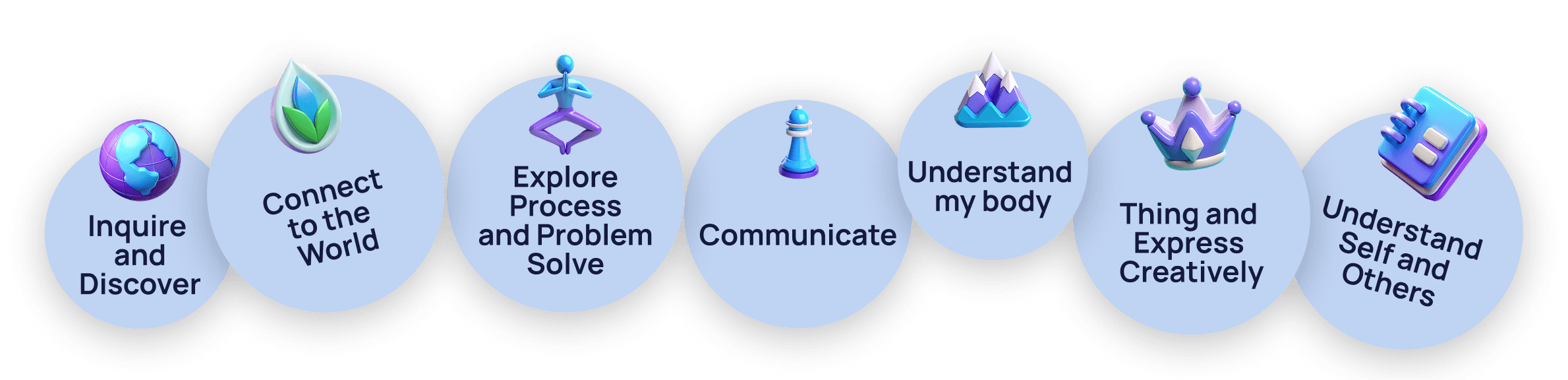
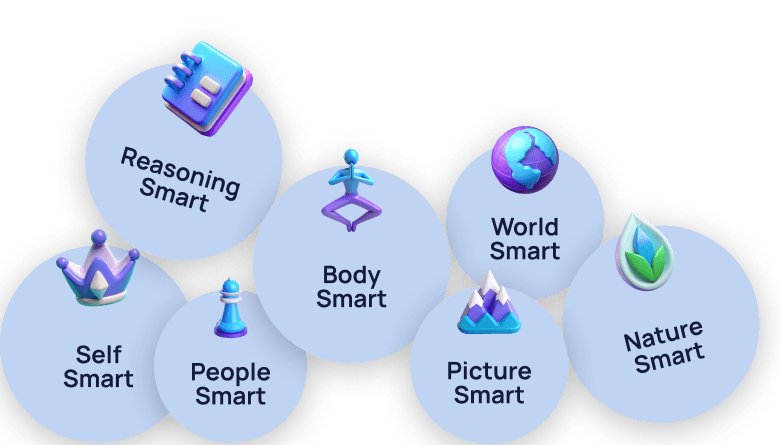
The Instructional Design encompasses the following child development domains
The Instructional Design encompasses the following child development domains
How we teach concepts
differently at Dreamtime Learning
How we teach concepts
differently at Dreamtime Learning
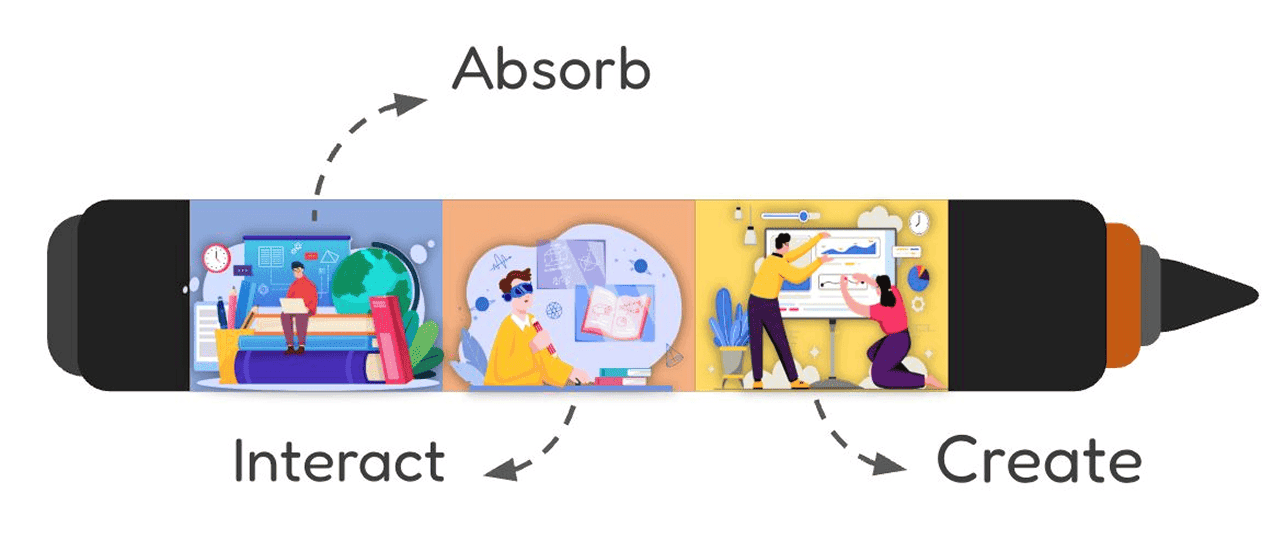
At Dreamtime Learning, we explore a 3-step strategy to approach learning, derived from Blooms Taxanomy
At Dreamtime Learning, we explore a 3-step strategy to approach learning.
Step 1
Hook
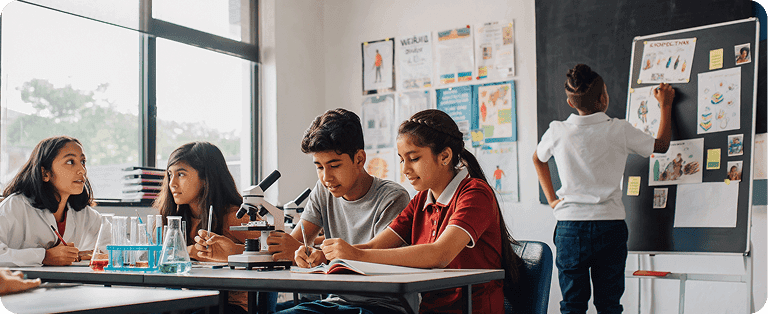
Learning begins with curiosity. Each topic is introduced in a way that captures attention and builds personal interest. Learners observe, guess and engage with prompts that spark wonder and readiness to explore.
Step 1
Hook
Learning begins with curiosity. Each topic is introduced in a way that captures attention and builds personal interest. Learners observe, guess and engage with prompts that spark wonder and readiness to explore.
Step 1
Hook
Learning begins with curiosity. Each topic is introduced in a way that captures attention and builds personal interest. Learners observe, guess and engage with prompts that spark wonder and readiness to explore.
Step 2
Absorb and Interact with concept
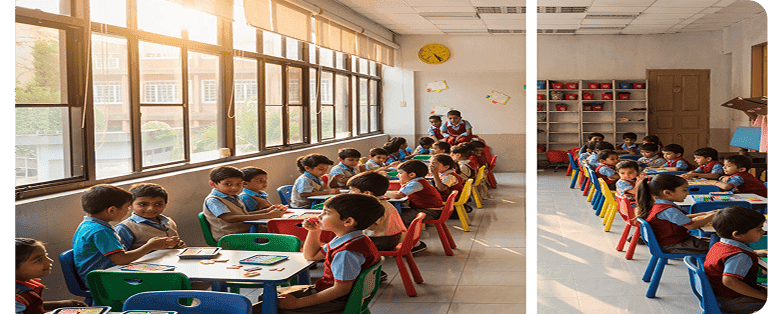
Children then understand the topic of interest through stories, visuals and guided teaching. They then explore it independently through hands-on activities, allowing them to test, question and deepen their understanding.
Step 2
Absorb and Interact with concept
Children then understand the topic of interest through stories, visuals and guided teaching. They then explore it independently through hands-on activities, allowing them to test, question and deepen their understanding.
Step 2
Absorb and Interact with concept
Children then understand the topic of interest through stories, visuals and guided teaching. They then explore it independently through hands-on activities, allowing them to test, question and deepen their understanding.
Step 3
Create/performance of understanding
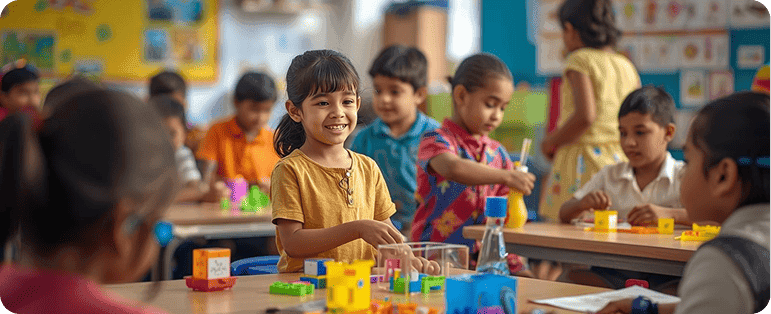
Learners then put their understanding into action by creating or performing something real. It helps them see how classroom ideas actually show up in the world around them, and that connection is what truly builds lifelong learning.
Step 3
Create/performance of understanding
Learners then put their understanding into action by creating or performing something real. It helps them see how classroom ideas actually show up in the world around them, and that connection is what truly builds lifelong learning.
Step 3
Create/performance of understanding
Learners then put their understanding into action by creating or performing something real. It helps them see how classroom ideas actually show up in the world around them, and that connection is what truly builds lifelong learning.
How learning comes alive at Dreamtime Learning:
How learning comes alive at Dreamtime Learning:
Example 1
Example 2
Example 1
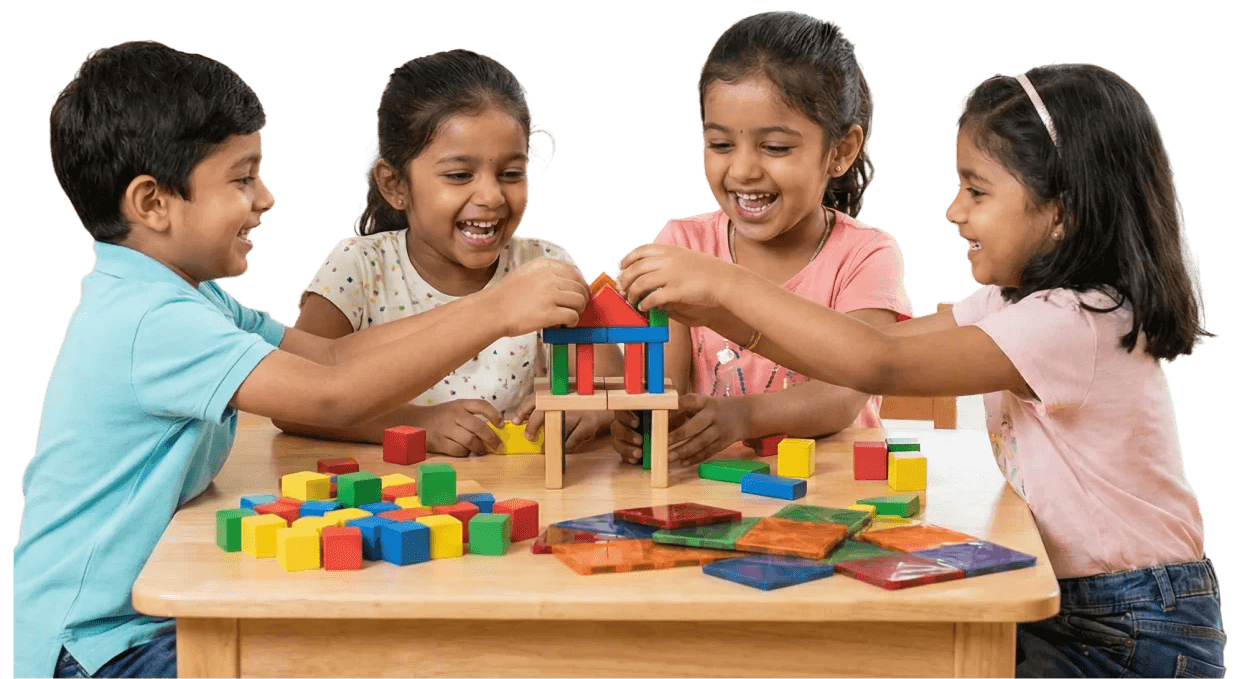
Shapes are everywhere in a child’s world, forming an essential part of their sensory learning experience. But at Dreamtime Learning, the approach goes beyond just identifying shapes. Children here are guided to understand how shapes work in real life.
Imagine a child exploring the properties of a circle and a square to figure out why wheels are round and what makes things roll. Or discovering that towers need sturdy shapes like squares and rectangles to stand tall.
Here is what Nursery learners are asked:
“If you were to build a tall tower, which shape would you choose? A square or a circle?
If you wanted to make something roll, would you use a square block or a round block?
Now try it out: stack blocks or beads to see which shapes work best for a strong tower, and try rolling different shapes to observe whether circles or squares move better.”
These simple yet powerful experiences help children connect shapes to real-world functions, encouraging curiosity, problem-solving, and deeper understanding.
The next time a child wonders, “Why are wheels round?” it’s a sign they’re thinking like a little scientist!

Example 1
Example 2
Example 1
Shapes are everywhere in a child’s world, forming an essential part of their sensory learning experience. But at Dreamtime Learning, the approach goes beyond just identifying shapes. Children here are guided to understand how shapes work in real life.
Imagine a child exploring the properties of a circle and a square to figure out why wheels are round and what makes things roll. Or discovering that towers need sturdy shapes like squares and rectangles to stand tall.
Here is what Nursery learners are asked:
“If you were to build a tall tower, which shape would you choose? A square or a circle?
If you wanted to make something roll, would you use a square block or a round block?
Now try it out: stack blocks or beads to see which shapes work best for a strong tower, and try rolling different shapes to observe whether circles or squares move better.”
These simple yet powerful experiences help children connect shapes to real-world functions, encouraging curiosity, problem-solving, and deeper understanding.
The next time a child wonders, “Why are wheels round?” it’s a sign they’re thinking like a little scientist!
Example 1
Example 2
Example 1
Shapes are everywhere in a child’s world, forming an essential part of their sensory learning experience. But at Dreamtime Learning, the approach goes beyond just identifying shapes. Children here are guided to understand how shapes work in real life.
Imagine a child exploring the properties of a circle and a square to figure out why wheels are round and what makes things roll. Or discovering that towers need sturdy shapes like squares and rectangles to stand tall.
Here is what Nursery learners are asked:
“If you were to build a tall tower, which shape would you choose? A square or a circle?
If you wanted to make something roll, would you use a square block or a round block?
Now try it out: stack blocks or beads to see which shapes work best for a strong tower, and try rolling different shapes to observe whether circles or squares move better.”
These simple yet powerful experiences help children connect shapes to real-world functions, encouraging curiosity, problem-solving, and deeper understanding.
The next time a child wonders, “Why are wheels round?” it’s a sign they’re thinking like a little scientist!
By integrating real-world connections, Dreamtime Learning nurtures curiosity, critical thinking, and a lifelong love for discovery.
By integrating real-world connections, Dreamtime Learning nurtures curiosity, critical thinking, and a lifelong love for discovery.
Are you ready to ignite the spark of curiosity
in your little one?
Are you ready to ignite the spark of curiosity
in your little one?
Prepare your child for a future of limitless possibilities.
Welcome to Dreamtime Learning and strap in for an educational rollercoaster.
Prepare your child for a future of limitless possibilities.
Welcome to Dreamtime Learning and strap in for an educational rollercoaster.
The Dreamtime Learning Approach
The Dreamtime Learning Approach
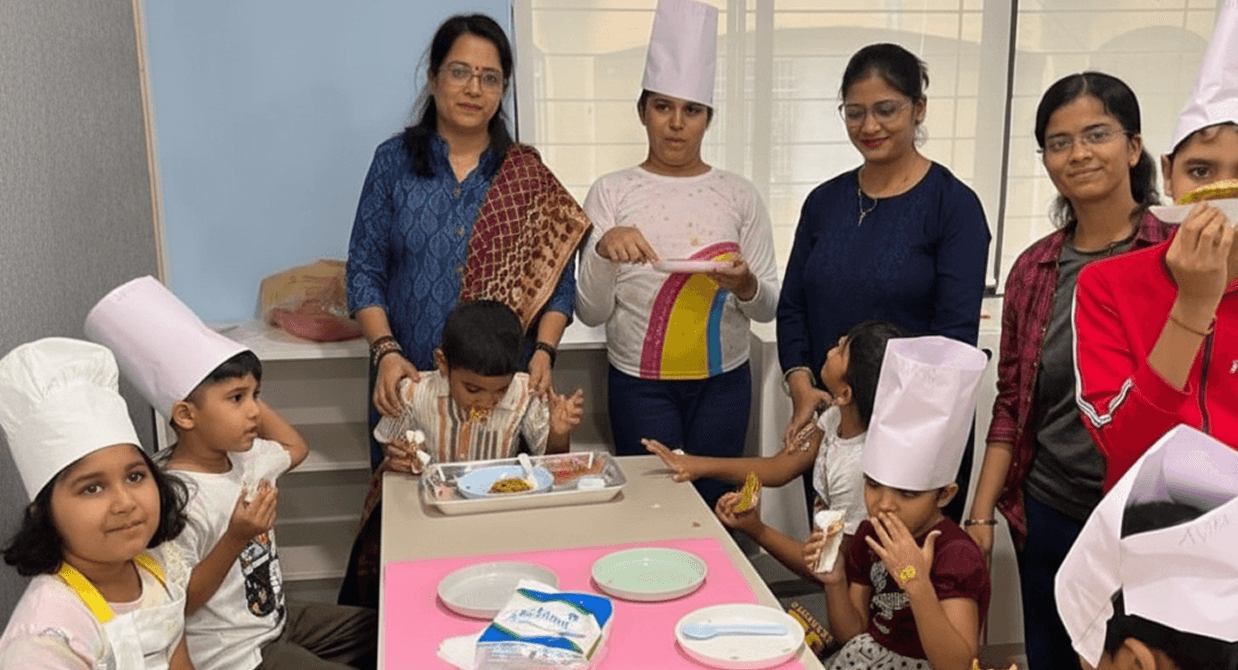
We embrace a play-based learning approach, recognising that play is the foundation of child development. Through carefully curated activities that engage multiple senses, enhance neural connections and foster critical thinking, we encourage curiosity and creativity, laying the groundwork for a lifelong love of learning.
We embrace a play-based learning approach, recognising that play is the foundation of child development. Through carefully curated activities that engage multiple senses, enhance neural connections and foster critical thinking, we encourage curiosity and creativity, laying the groundwork for a lifelong love of learning.
Our Curriculum
Our Curriculum
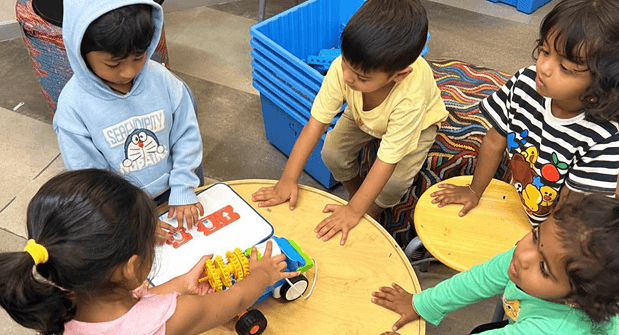
Our curriculum is rooted in neuroscience principles, ensuring that each activity is purposefully designed to stimulate cognitive, emotional, and social development. Our pillars of instruction —> Absorb, Interact, Create, nurture active learning and set the foundation for achieving mastery.
Our goal also includes instilling environmental awareness and responsibility in young minds as part of our endeavour towards promoting eco-literacy.
Our curriculum is rooted in neuroscience principles, ensuring that each activity is purposefully designed to stimulate cognitive, emotional, and social development. Our pillars of instruction —> Absorb, Interact, Create, nurture active learning and set the foundation for achieving mastery.
Our goal also includes instilling environmental awareness and responsibility in young minds as part of our endeavour towards promoting eco-literacy.
Social Emotional Learning (SEL)
Social Emotional Learning (SEL)
At Dreamtime Learning, we recognise that Social and Emotional Learning (SEL) is an integral part of education and human development. We focus on helping our learners progress not only academically but also develop healthy identities. Our core primary curriculum includes activities based on the CASEL Framework that encourage learners to become self-aware, equip them with skills to regulate emotions, and make responsible choices while on their journey to self-mastery.
At Dreamtime Learning, we recognise that Social and Emotional Learning (SEL) is an integral part of education and human development. We focus on helping our learners progress not only academically but also develop healthy identities. Our core primary curriculum includes activities based on the CASEL Framework that encourage learners to become self-aware, equip them with skills to regulate emotions, and make responsible choices while on their journey to self-mastery.
The Army behind The Dreamtime Learning Curriculum
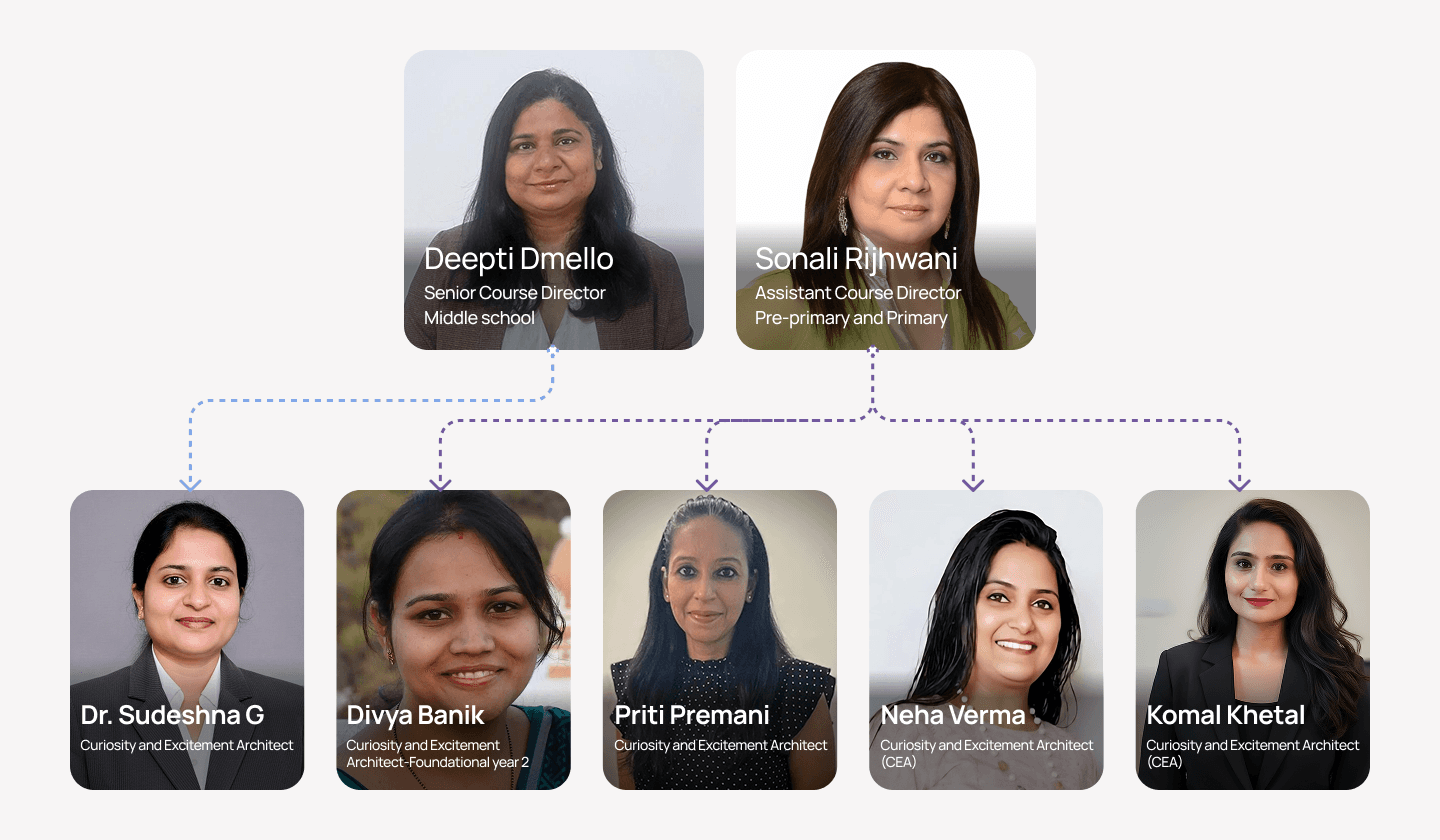
Course Directors and Subject Heads

Deepti Dmello
Senior Course Director

Dr. Sudeshna G
Curiosity and Excitement Architect

Sonali Rijhwani
Assistant Course Director
Pre-primary and Primary

Divya Banik
Curiosity and Excitement Architect-Foundational year 2

Priti Premani
Curiosity and Excitement Architect

Neha Verma
Curiosity and Excitement Architect (CEA)

Komal Khetal
Curiosity and Excitement Architect (CEA)




A World-Class Curriculum Designed by a Collective of 60+ Learning Architects
A World-Class Curriculum Designed by a Collective of 60+ Learning Architects
Meet our Course Directors and Subject Heads
Meet our Course Directors and Subject Heads
Our Learners
Our Learners
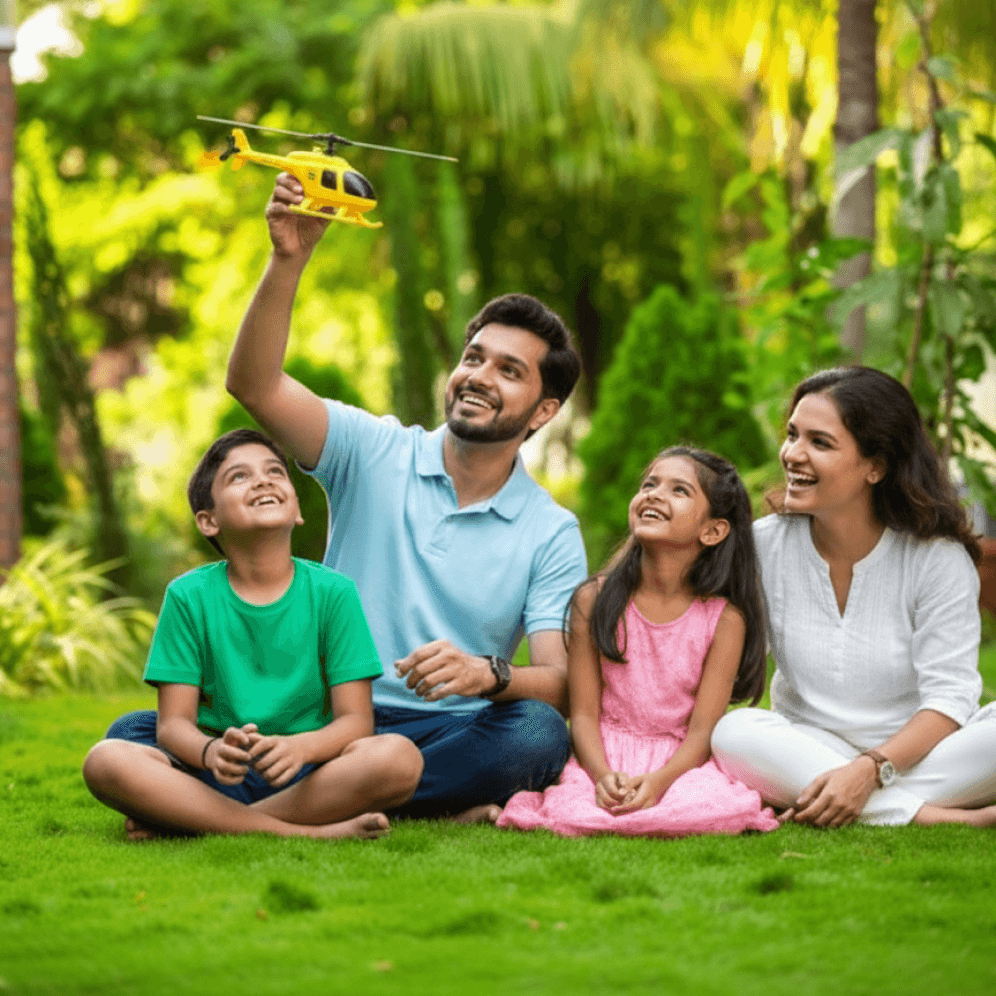
We value the partnership between home and school. Regular communication, parent–teacher conferences, enrichment events and tips for fostering cognitive growth at home ensure that you are actively involved in your child’s educational journey.
We value the partnership between home and school. Regular communication, parent–teacher conferences, enrichment events and tips for fostering cognitive growth at home ensure that you are actively involved in your child’s educational journey.
How Dreamtime Learning connects concepts to real life:
Frequently Asked Questions.
Illustration 1 - Practical Literacy: Print
When children explore letters, they are encouraged to notice print in the world around them. They observe letters and numbers on everyday objects such as license plates, keyboards and labels, and then identify similar examples in their surroundings. This helps them naturally apply classroom learning at home, strengthening recognition and building automatic practice.
Illustration 2 - Mathematics - Shapes
In mathematics, shapes play a central role in a child’s sensory world. Beyond identifying basic shapes, children learn to connect 2D forms with the 3D objects they see every day. They investigate how shapes function in real life by conducting simple hands-on experiments. Children explore why wheels are round, what makes objects roll, and why stable structures rely on shapes like squares and rectangles. They test this by stacking blocks to build towers and by comparing how circular and square objects move. These observations help them understand the properties of each shape. To deepen the learning, children create a simple rolling object, applying their understanding of shape, stability and movement in a meaningful way.
Illustration 3 - Mathematics - Numbers
Number learning for ages 2 to 6 goes beyond counting and numeral recognition. Children use their bodies to internalise mathematical concepts through jumping, clapping, stomping and rhythmic movement. Music, beats and body percussion help the brain associate numbers with quantities, creating strong neural links and natural recall. Just as writing information improves retention, combining movement with counting strengthens memory and builds a solid mathematical foundation.
Illustration 4 - Science in Context: Sun
To understand the role of the sun, learners explore how it supports life and influences daily routines. Through a wet handprint activity, they observe how sunlight causes evaporation, helping them connect heat with change. They also discover the difference between natural and artificial light by noticing why lamps and tube lights are turned off after sunset. Children learn that while sunlight helps living things grow, it is also important to stay protected. A simple sunscreen experiment shows how the sun affects the skin and why sun safety matters. These real-life connections help children understand everyday actions like applying sunscreen, drying clothes outdoors and sleeping at night.
Illustration 5 - Science in Context - Biomimicry
Children are naturally fascinated by animals, and we use this curiosity to explore how nature inspires human invention. When learning about flight, they observe how birds soar and then compare this to airplanes, discovering how scientists studied bird movement to design flying machines. Learners then create and test their own paper planes, experimenting with what makes them glide or travel faster. This simple activity helps them understand how observing nature leads to ideas, innovation and real-world creations.
Preschool Enquiries
High School Enquiries
Bandra West, Mumbai, Maharashtra, 400050.
connect@poweredbydtl.com


Copyright © 2026 PoweredbyDTL, All rights reserved.
Preschool Enquiries
High School Enquiries
Bandra West, Mumbai, Maharashtra, 400050.
connect@poweredbydtl.com
Copyright © 2026 PoweredbyDTL, All rights reserved.
Preschool Enquiries
High School Enquiries
Bandra West, Mumbai, Maharashtra, 400050.
connect@poweredbydtl.com
Copyright © 2026 PoweredbyDTL, All rights reserved.