How to Start a Preschool in 2026: A Step-by-Step Guide for New Educators
PbyDTL@2026
Posted on
Mar 27, 2026
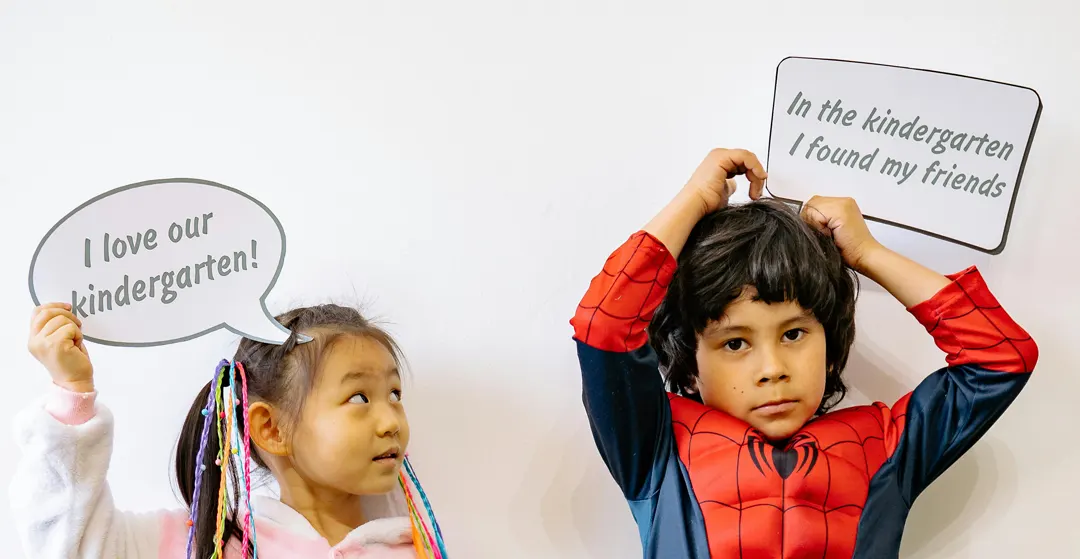
Starting a preschool in 2026 is a rewarding opportunity for educators and entrepreneurs who want to shape young minds while building a sustainable business. With rising demand for quality early childhood education, understanding how to start a preschool strategically can help you stand out in a competitive market. From legal compliance to curriculum planning and marketing, every step plays a crucial role in your success.
1. Understand Legal Requirements and Licensing
The first step in learning how to start a preschool is ensuring compliance with local regulations. Every region has specific guidelines regarding safety standards, infrastructure, teacher qualifications, and child-to-teacher ratios. You will need to register your institution, obtain necessary permits, and adhere to health and safety norms.
Having proper documentation not only builds credibility but also assures parents that their children are in a safe and regulated environment.
2. Plan Your Budget and Investment
Financial planning is essential when starting a preschool. Your budget should include expenses such as rent, classroom setup, learning materials, staff salaries, utilities, and marketing.
Modern preschools also invest in technology like a school erp system to manage admissions, attendance, and communication efficiently. While it may seem like an added cost initially, it significantly improves long-term operational efficiency and parent satisfaction.
3. Choose the Right Curriculum
A well-structured nursery syllabus is the backbone of any successful preschool. In 2026, parents prefer a balanced approach that combines play-based learning, cognitive development, and social-emotional growth.
Selecting a research-backed curriculum ensures that children develop essential skills while enjoying the learning process. It also helps your preschool maintain consistency and quality across all classrooms.
4. Set Up Infrastructure and Learning Environment
Creating a child-friendly and safe environment is critical. Your preschool should have well-ventilated classrooms, secure play areas, age-appropriate furniture, and engaging learning materials.
Incorporating digital tools and interactive learning methods can enhance the classroom experience. A thoughtfully designed environment not only supports learning but also leaves a strong impression on parents during visits.
5. Hire Qualified and Passionate Staff
Teachers and caregivers are the heart of your preschool. Hiring trained professionals who understand early childhood education is essential for delivering quality learning experiences.
Provide regular training sessions to keep your staff updated with modern teaching methodologies and classroom management techniques. A skilled and motivated team directly impacts your school’s reputation and growth.
6. Build Strong Marketing Strategies
Once your preschool is ready, the next step is attracting admissions. Understanding how to increase admission in school is crucial for sustainability. Start by building an online presence through a professional website and social media platforms.
Highlight your curriculum, facilities, and unique teaching approach. Conduct local outreach programs, organize open house events, and encourage parent testimonials to build trust within your community.
For expert guidance and end-to-end preschool solutions, explore Powered by Dreamtime Learning:https://poweredbydtl.com/
7. Leverage Technology for Growth
Technology plays a vital role in modern preschool management. A reliable school erp system streamlines administrative tasks, improves communication with parents, and provides real-time insights into operations.
From managing admissions to tracking student progress, digital tools help you run your preschool more efficiently while enhancing the overall experience for both parents and staff.
FAQs (Parents Mostly Search)
1. What is the first step in how to start a preschool?
The first step is understanding legal requirements, registering your preschool, and obtaining necessary licenses to operate legally.
2. How important is the nursery syllabus in a preschool?
A well-designed nursery syllabus ensures structured learning, supports child development, and builds trust among parents.
3. How can I increase admission in my preschool?
Focus on strong marketing, parent engagement, quality education, and community outreach to improve visibility and trust.
4. Do I need a school erp system for a preschool?
Yes, a school erp system helps manage daily operations, improves communication, and enhances efficiency, especially as your preschool grows.
5. What qualifications should preschool teachers have?
Teachers should have training in early childhood education along with strong communication and child management skills.
Starting a preschool in 2026 requires careful planning, the right tools, and a clear vision. By focusing on quality education, efficient management, and strong parent relationships, you can build a preschool that not only thrives but also makes a lasting impact on young learners.