What Makes the Best Early Childhood Curriculum? Key Features Every Preschool Should Follow
PbyDTL@2026
Posted on
Jan 30, 2026

Choosing the best early childhood curriculum is one of the most critical decisions for any preschool, as it shapes a child’s foundational years of learning, behavior, and emotional development. In today’s evolving education landscape, parents and educators alike seek curricula that go beyond academics to nurture creativity, confidence, and lifelong learning skills.
At Powered by Dreamtime Learning, curriculum design focuses on age-appropriate, research-backed, and future-ready learning frameworks that support holistic child growth.
1. Child-Centric and Play-Based Learning Approach
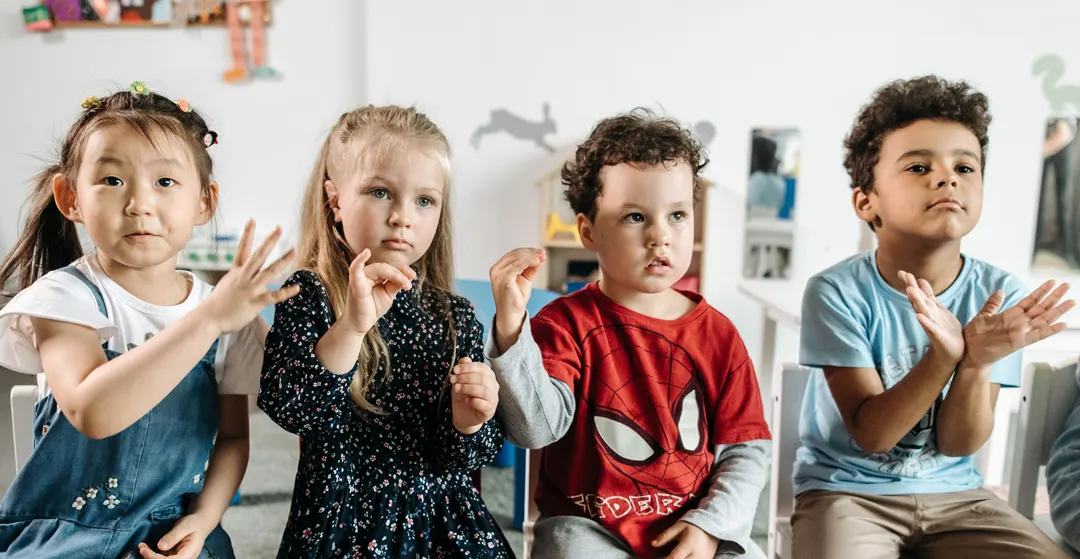
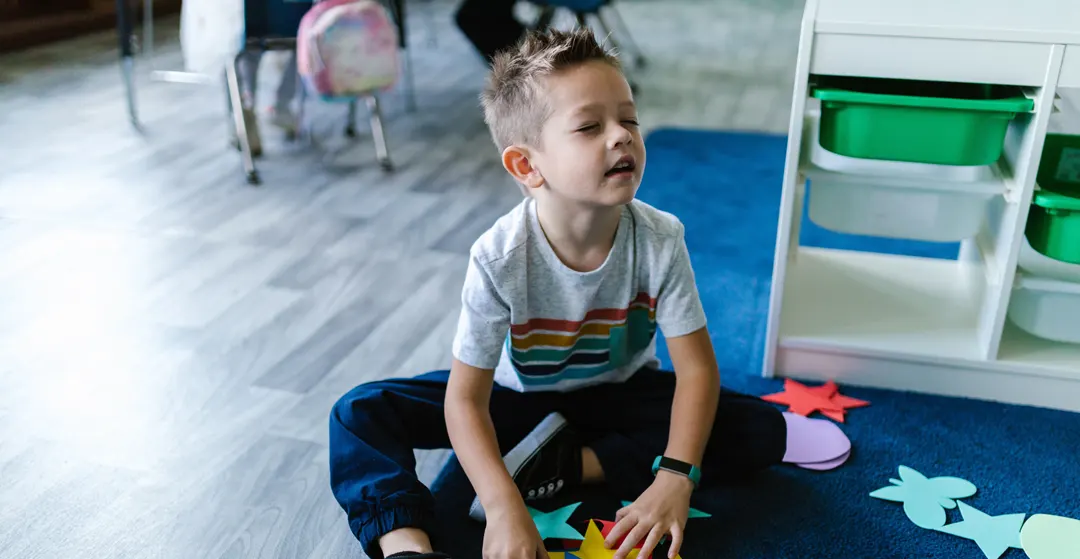
The strongest indicator of a high-quality preschool curriculum is its emphasis on child-led exploration. Young learners thrive in environments where play is purposeful and learning is experiential. A developmentally appropriate curriculum for preschool integrates storytelling, hands-on activities, music, and movement to encourage curiosity and engagement.
This approach helps children learn naturally while building cognitive, physical, and social skills simultaneously.
2. Balanced Focus on Holistic Development
The best preschool curriculum does not focus only on literacy and numeracy. Instead, it supports all five developmental domains:
Cognitive development
Language and communication
Social and emotional learning
Physical and motor skills
Creative expression
A well-structured learning framework ensures children grow emotionally secure and socially confident, preparing them for formal schooling and life beyond the classroom.
3. Structured Yet Flexible Curriculum Design
Preschools need a curriculum that provides a clear structure while allowing flexibility for individual learning pace. The top preschool curriculum includes progressive learning milestones but avoids rigid academic pressure.
Adaptive lesson planning empowers teachers to personalize activities based on children’s interests and abilities, ensuring inclusive and meaningful learning experiences.
4. Integration of Technology and Modern Learning Tools
Today’s early learners are growing up in a digital world. Incorporating age-appropriate technology into the best early childhood curriculum enhances engagement and supports visual and interactive learning. Gamified activities, digital storytelling, and smart learning aids can reinforce concepts without replacing human interaction.
Dreamtime Learning integrates modern tools responsibly, ensuring technology complements, rather than dominates, early education.
5. Strong Teacher Support and Training
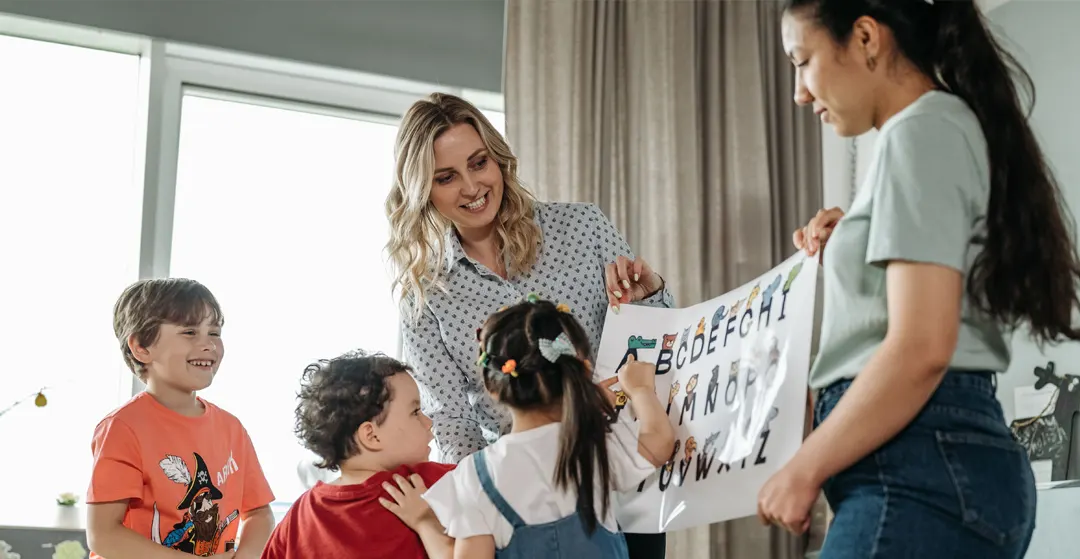
Even the most well-designed preschool curriculum is only effective when educators understand how to deliver it. A quality curriculum includes comprehensive teacher manuals, training modules, and continuous academic support.
This ensures consistency in learning outcomes across classrooms and empowers teachers to foster nurturing and inspiring environments.
6. Alignment with Global Early Learning Standards
Parents increasingly look for preschools that follow internationally aligned teaching methodologies. A globally benchmarked curriculum for preschool incorporates best practices from Montessori, play-based, and inquiry-driven models while adapting to local cultural contexts.
Such alignment ensures children are well-prepared for both national and international education pathways.
Why Powered by Dreamtime Learning Stands Out
Powered by Dreamtime Learning offers a thoughtfully designed curriculum that blends academics, life skills, and innovation. Its curriculum framework supports educators, engages children, and reassures parents seeking a strong foundation for early education.
Learn more about our approach at
👉 https://www.poweredbydtl.com/
Parents’ Frequently Asked Questions (FAQs)
1. What is the best early childhood curriculum for preschoolers?
The best curriculum focuses on holistic development through play-based, child-centric learning while supporting emotional, social, and cognitive growth.
2. How does a preschool curriculum impact my child’s future learning?
A strong early foundation builds confidence, curiosity, and essential life skills that support long-term academic and personal success.
3. What should parents look for in a top preschool curriculum?
Parents should look for age-appropriate learning, trained educators, flexible teaching methods, and a balance of academics and creativity.
4. Is play-based learning effective in preschool education?
Yes, play-based learning helps children understand concepts naturally while improving communication, problem-solving, and social interaction skills.