
Classroom AI: How Smart Technology Enhances Learning in 2026 | Dreamtime Learning
5 min read
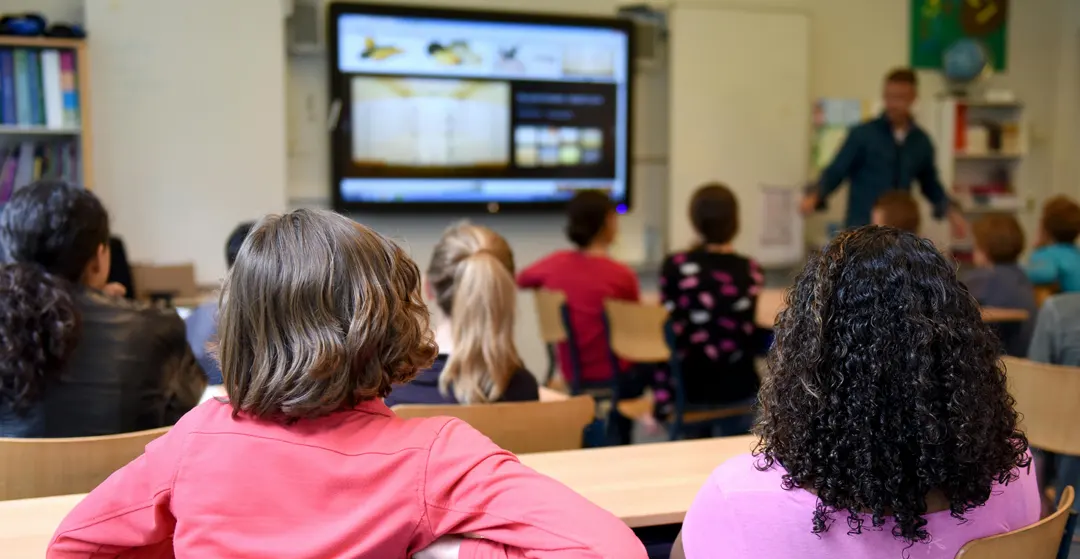
The modern classroom looks remarkably different from just a few years ago. Walk into any forward-thinking school today, and you'll witness something profound: artificial intelligence seamlessly woven into the fabric of daily learning. This isn't science fiction—it's the reality of classroom AI in 2026, where technology amplifies human potential rather than replacing it.
The Rise of AI-Powered Classrooms
Education has reached an inflection point. Currently, 86% of education organizations actively use generative AI, making education the industry with the highest AI adoption rate globally. What began as experimental pilots has evolved into core educational infrastructure that supports millions of learners worldwide.
The numbers tell a compelling story. Recent studies show that 85% of teachers and 86% of students engaged with classroom AI during the last school year. Perhaps most striking, 69% of teachers report that these AI learning platforms have genuinely improved their teaching methods, while 55% gained additional time for direct student interaction—the irreplaceable human connection that makes teaching meaningful.
How Smart Classroom Technology Actually Works
Modern classroom AI operates on what researchers call the "teacher co-pilot" model. Rather than automating instruction, these intelligent tutoring systems serve as real-time assistants that amplify educator effectiveness. They generate differentiated lesson materials, suggest resources aligned to learning standards, and provide instant feedback—all while teachers maintain control over the learning experience.
The transformation spans multiple dimensions. AI-enhanced education platforms now deliver personalized learning paths that adapt to individual student needs in real-time. A Harvard University physics study revealed that students using AI tutoring systems learned more than twice as much in significantly less time compared to traditional active-learning classrooms. Separate research documented a 62% increase in test scores among students using these systems.
This aligns beautifully with Dreamtime Learning's philosophy of conscious education, where technology serves deeper learning rather than superficial information transfer. The goal isn't just academic achievement—it's developing self-aware, capable learners who thrive in an AI-driven world.
Practical Benefits for Students and Teachers
Educational technology powered by AI addresses genuine challenges that educators face daily. Teachers report that automated grading and administrative tools reduce their workload by approximately 37%, freeing precious hours for mentorship and creative instruction. Students benefit from 24/7 access to AI tutoring support, receiving help exactly when they need it rather than waiting until the next class session.
Adaptive learning systems identify knowledge gaps before they compound into larger difficulties. Two students in the same classroom might receive completely different practice problems based on their individual readiness—one advancing to complex applications while another reinforces foundational concepts. This level of personalization was simply impossible at scale before classroom AI emerged.
The implications extend beyond academic performance. These smart classroom solutions support diverse learning styles, accommodate different paces, and provide scaffolding that helps struggling students catch up while allowing advanced learners to accelerate. This mirrors the principles behind Dreamtime Learning's approach to nurturing individual potential within a supportive community.
Navigating Implementation Challenges
Despite impressive adoption rates, challenges remain. Only 30% of teachers currently feel confident using AI tools in their classrooms, revealing a significant readiness gap. Schools must invest in comprehensive professional development, ensuring educators receive hands-on training and ongoing support as these digital learning environments evolve.
Privacy concerns and ethical considerations demand attention. Parents rightfully question how student data gets used and protected. Forward-thinking institutions establish clear governance frameworks, transparent policies, and safeguards that prioritize student wellbeing alongside technological advancement.
The digital divide presents another obstacle. Not every student has equal access to devices, reliable internet, or the home support needed to leverage classroom innovation effectively. Addressing these inequities remains essential for ensuring that classroom AI benefits all learners, not just the privileged few.
Looking Toward a Balanced Future
The AI education market, valued at $7.05 billion in 2025, is projected to reach $112 billion by 2034. This explosive growth reflects institutional confidence in technology's role in shaping future-ready learning. However, the most successful implementations recognize what Dreamtime Learning has always understood—technology must enhance human connection, not replace it.
Classroom AI thrives when it amplifies teacher effectiveness, personalizes student learning, and preserves the irreplaceable elements of education: curiosity, creativity, critical thinking, and ethical reasoning. As we navigate this transformation, the question isn't whether AI belongs in classrooms. It's how we implement these tools thoughtfully, ensuring they serve learning rather than simply automating it.
The classroom of 2026 represents possibility—technology working in service of human potential, preparing learners not just for tests but for meaningful lives in an uncertain future.
FAQS FOR PARENTS:
Q1: Is classroom AI safe for my child?
Yes, when implemented properly. Reputable classroom AI platforms comply with strict privacy regulations like COPPA and FERPA. Schools should have clear data governance policies explaining how student information is collected, used, and protected. Parents should ask their school administrators about specific platforms being used, data retention policies, and whether student data is shared with third parties. The best educational technology systems anonymize student data and give parents transparency and control.
Q2: Will AI make my child lazy or dependent on technology?
Not when used correctly. Classroom AI is designed to build learning skills, not create dependency. Think of it like training wheels on a bicycle—the support is gradually reduced as the student develops competency. Quality AI learning platforms require students to demonstrate understanding, explain their thinking, and apply knowledge independently. Many schools are even reintroducing oral exams to ensure students truly understand material rather than simply using AI as a shortcut. The key is teaching students when and how to use AI appropriately as a learning tool.
Q3: How does personalized learning through AI actually benefit my child?
Every child learns differently, and classroom AI adapts to your child's unique pace and learning style. If your child struggles with a concept, the AI provides additional practice and alternative explanations until mastery is achieved. If they grasp something quickly, the system challenges them with more advanced material rather than forcing them to wait for the class. Research shows students using these adaptive systems demonstrate 62% higher test scores and learn concepts twice as fast. Most importantly, personalized learning reduces frustration and builds confidence.
Q4: What should I ask my child's teacher about AI in the classroom?
Great questions to ask include: Which specific AI tools are being used and for what purposes? How does the teacher balance AI support with traditional instruction? What training has the teacher received? How is my child's data being protected? Are there ways I can support my child's AI literacy at home? How does the school ensure AI enhances rather than replaces critical thinking? Teachers appreciate engaged parents who want to understand how technology supports their child's learning journey.
Q5: How can I help my child develop healthy AI habits?
Start by having open conversations about what AI can and cannot do. Help your child understand that AI is a tool, not a replacement for thinking. Encourage them to check AI outputs for accuracy, ask questions about how AI reaches conclusions, and always cite when they've used AI assistance. Teach them to use AI for understanding concepts rather than completing assignments. Model responsible technology use yourself, and set boundaries around screen time. Most importantly, emphasize that learning involves struggle and persistence—AI should support that process, not eliminate it.