
How AI Tools for Teachers Are Transforming Modern Education in 2026
5 min read
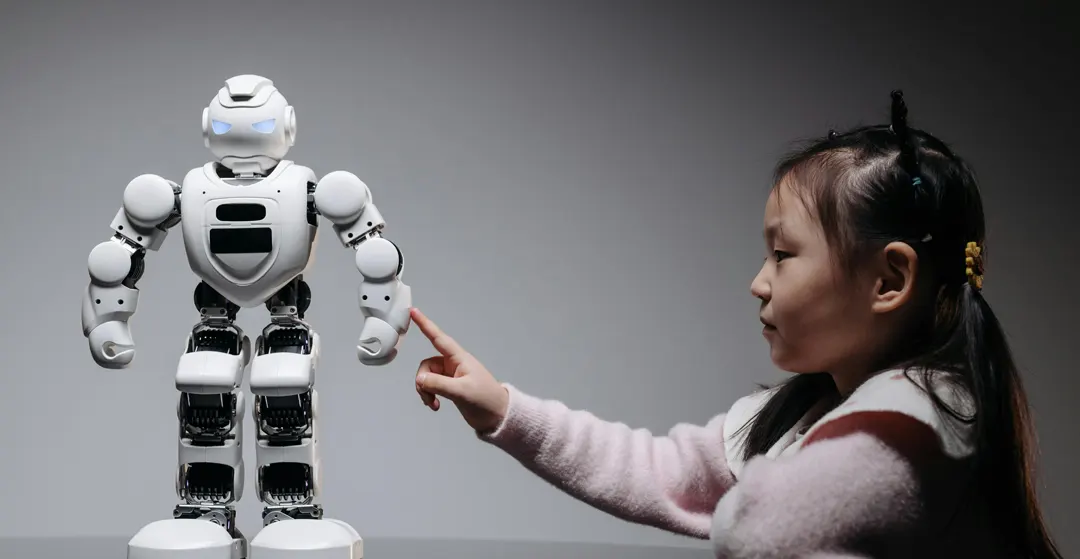
The landscape of education is experiencing a profound transformation. Teachers worldwide are discovering that artificial intelligence isn't here to replace them—it's here to amplify their impact. In 2026, over 83% of K-12 educators now use some form of generative AI in their daily work, and the results speak for themselves: more personalized learning, saved time, and deeper student engagement.
Understanding AI Tools for Teachers
Educational AI platforms have evolved far beyond simple automation. Today's AI teaching tools serve as collaborative partners that help educators create differentiated lesson plans, provide instant feedback, and free up precious hours for what matters most—building meaningful connections with students.
The current AI-in-education market has surpassed $9.5 billion, reflecting a fundamental shift in how we approach teaching and learning. These digital classroom tools aren't luxury additions; they've become essential resources for teachers who want to meet the diverse needs of every learner in their classroom.
The Most Impactful AI Tools Reshaping Education
Modern AI teaching tools fall into several practical categories. Lesson planning platforms can generate curriculum-aligned materials in minutes rather than hours. AI grading tools evaluate student work consistently, saving educators an average of 10 to 15 hours weekly. Student engagement platforms use adaptive learning paths that adjust difficulty in real-time based on individual performance.
Platforms like MagicSchool AI offer comprehensive suites with over 80 purpose-built tools for K-12 educators. These include differentiated worksheet generation, behavior plan creation, and automated parent communication. Other specialized tools focus on specific needs—Diffit excels at reading differentiation, while Khanmigo provides personalized AI tutoring for students.
What makes these AI-powered education tools particularly valuable is their ability to support conscious learning approaches. Rather than simply delivering information, they help teachers create environments where students develop critical thinking, self-awareness, and genuine understanding.
Practical Applications in Today's Classrooms
The real power of educational technology emerges when teachers strategically integrate multiple tools. A typical workflow might involve using AI for initial lesson scaffolding, employing adaptive quizzes for formative assessment, and leveraging automated grading for routine assignments—all while reserving teacher time for the irreplaceable human elements of instruction.
Teachers report that AI lesson planning tools analyze curriculum standards and student performance data to produce personalized learning paths. These platforms don't eliminate teacher judgment; they enhance it by providing data-driven insights that would be impossible to gather manually across dozens of students.
Parent communication has also transformed through AI assistance. Rather than spending evenings crafting individual emails, teachers can now generate personalized updates that maintain authentic voice while addressing specific student progress and concerns.
Balancing Innovation with Human Connection
The most successful educational implementations recognize a fundamental truth: AI tools amplify teacher effectiveness, but they cannot replicate the essential human elements of education. Social-emotional learning, relationship building, and the mentorship that shapes young lives remain uniquely human capacities.
This balance aligns perfectly with Dreamtime Learning's vision of preparing students for an AI-driven world while nurturing the distinctly human skills that technology cannot replace—creativity, empathy, curiosity, and ethical reasoning.
Building AI Literacy for the Next Generation
Forward-thinking schools are moving beyond teaching with AI to teaching about AI. Recent data shows that 67% of school districts now include AI literacy in their digital citizenship curriculum. Students need to understand not just how to use these tools, but how to think critically about their outputs and limitations.
This approach reflects the broader educational shift happening at institutions like Dreamtime Learning, where the focus extends beyond academic achievement to developing learners who can thrive in a rapidly evolving technological landscape while maintaining strong ethical foundations and self-awareness.
The Road Ahead
As we progress through 2026, the integration of AI in education will continue accelerating. However, the most effective implementations will always prioritize pedagogical goals over technological novelty. Teachers who thoughtfully select AI tools aligned with their teaching philosophy and student needs will find themselves not just surviving the digital transformation—but leading it with purpose and creativity.
The future of education isn't about choosing between human teachers and artificial intelligence. It's about empowering educators with tools that handle the routine while preserving their time for the profound, irreplaceable work of inspiring and guiding the next generation.
FAQS FOR PARENTS:
Q1: Are AI tools safe for my child's education?
Most reputable educational AI platforms include strong privacy protections and comply with regulations like COPPA (Children's Online Privacy Protection Act) and FERPA (Family Educational Rights and Privacy Act). Schools typically vet these tools carefully before implementation. Parents should ask their child's school about data privacy policies and which specific platforms are being used.
Q2: Will AI replace my child's teacher?
No. AI tools are designed to support teachers, not replace them. The human elements of teaching—building relationships, providing emotional support, inspiring curiosity, and making professional judgments about individual students—cannot be replicated by AI. These tools simply help teachers be more effective by handling routine tasks and providing personalized learning support.
Q3: How can I support my child's learning with AI at home?
Many AI educational tools have free versions that families can use at home. Platforms like Khan Academy's Khanmigo offer free AI tutoring for students. You can also discuss AI literacy with your child—helping them understand both the capabilities and limitations of AI tools encourages critical thinking about technology.
Q4: Will my child become too dependent on AI tools?
When properly integrated, AI tools teach students to become better learners, not dependent users. The goal is to help students understand concepts more deeply and develop problem-solving skills. Teachers are trained to use these tools as scaffolding that gradually increases student independence rather than creating reliance.
Q5: How do I know if my child's school is using AI tools effectively?
Look for schools that provide teacher training on AI integration, maintain clear policies about AI use, and focus on pedagogical goals rather than just technological adoption. Effective programs will show evidence of improved student engagement, personalized learning paths, and preserved time for meaningful teacher-student interaction. Don't hesitate to ask your child's teacher how they're using AI to enhance learning outcomes.